


 English
 Spanish
 French
 German
 Italian
 Chinese (Simplified)
 Japanese
 Korean
 Arabic
 Portuguese

Call us now
07971459640

 Send Inquiry
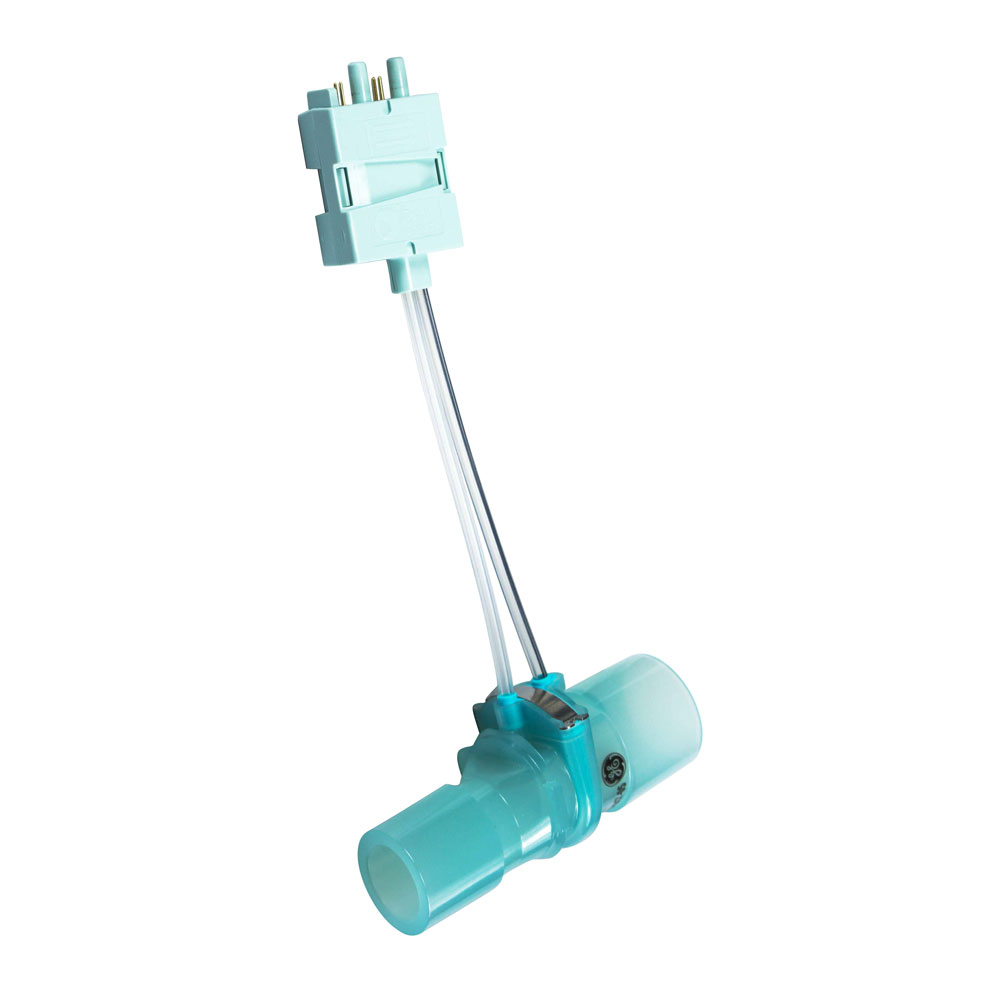
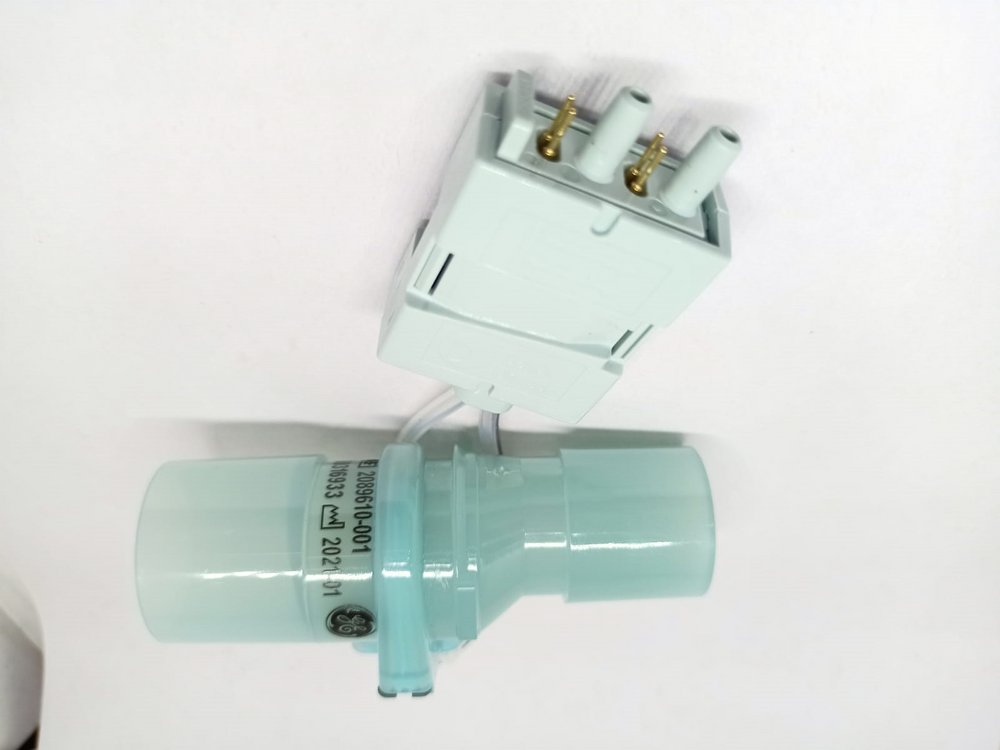
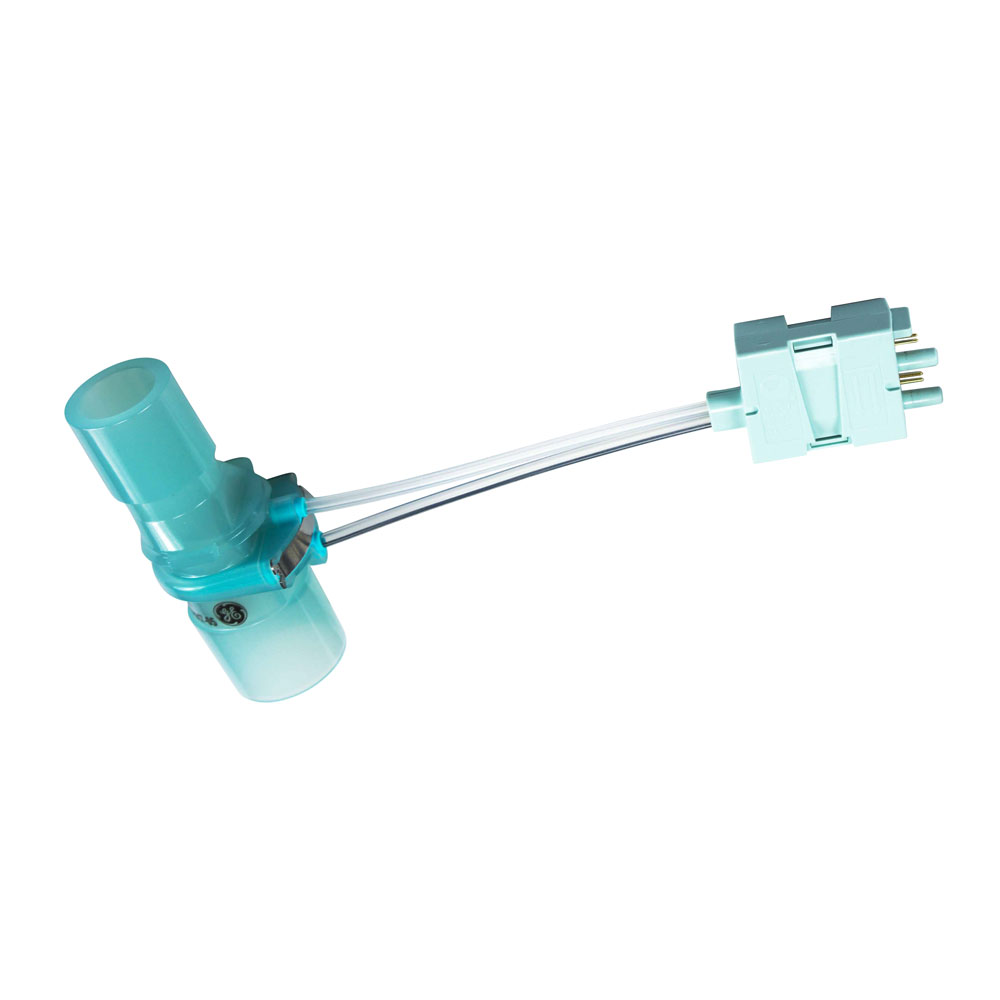
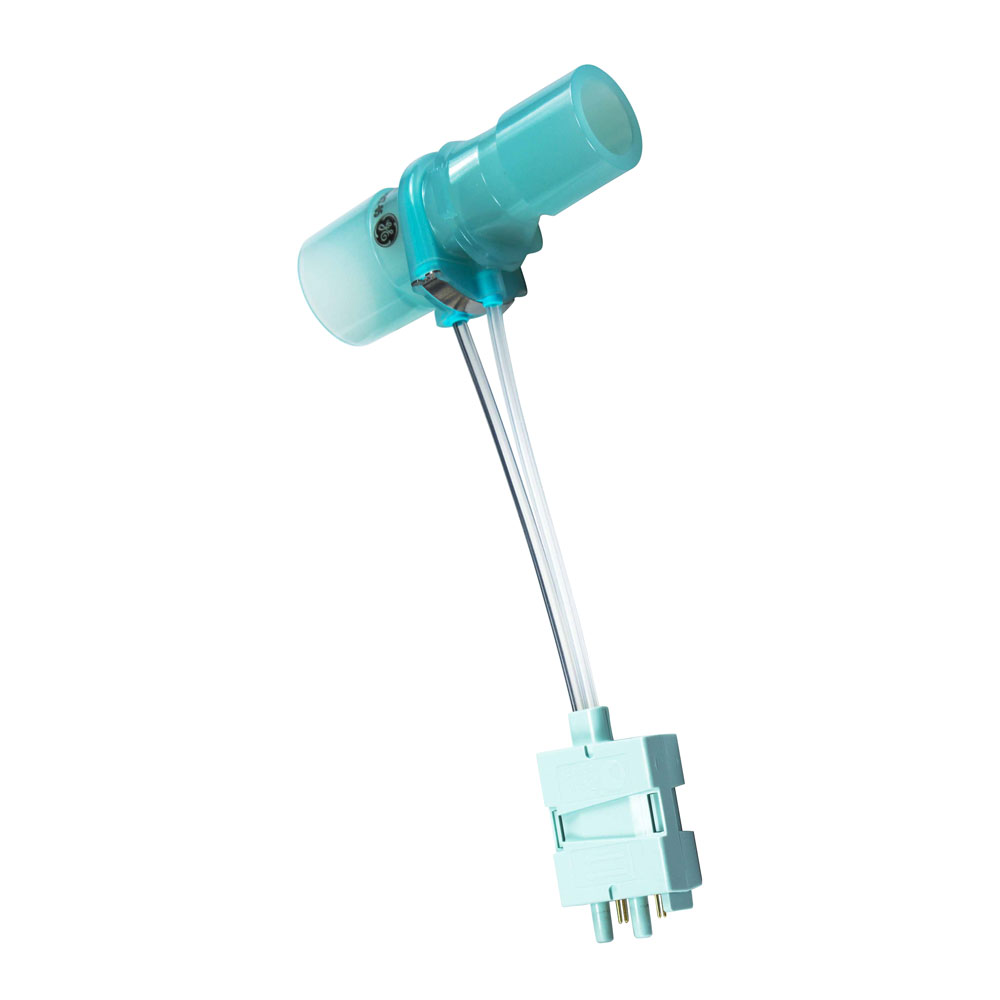
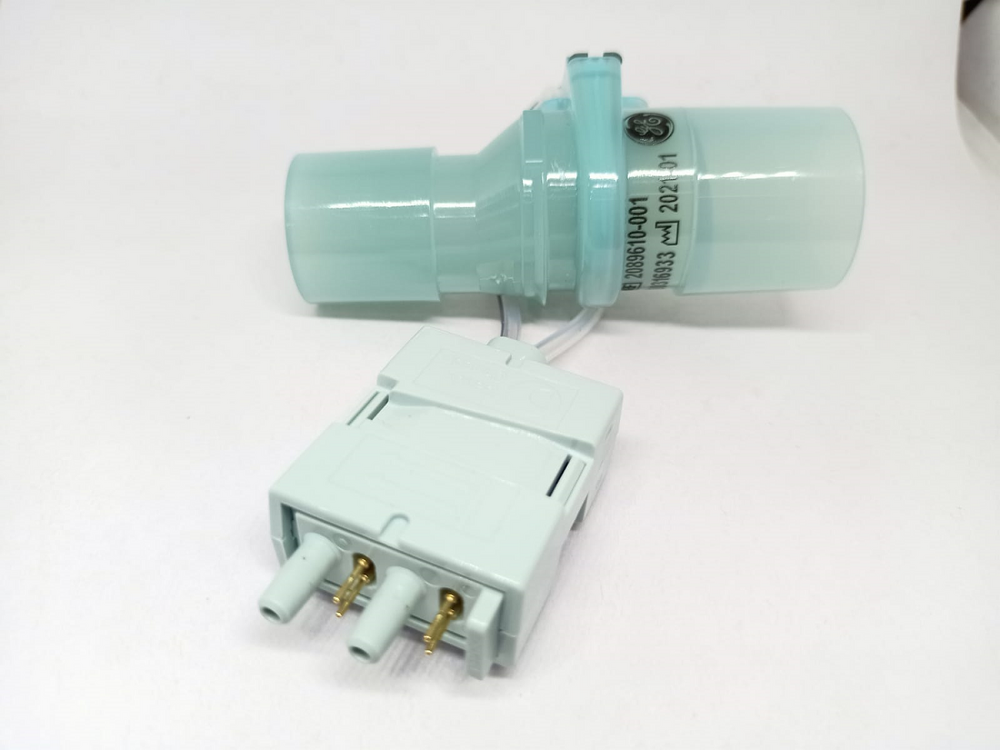
Flow Sensor For GE Anesthesia
Price 20000 INR/ Piece
MOQ : 1 Piece
Flow Sensor For GE Anesthesia Specification
- Resistance
- <10 Ohm
- Weight
- 300 Grams (g)
- Output
- Analog voltage
- Theory
- Microbridge thermal transfer
- Type
- Thermal flow sensor
- Accuracy
- 2% full scale
- Operating Voltage
- 5V DC
- Output Voltage
- 0.5V to 4.5V
- Compensated Temperature
- 0C to 50C
- Storage Temperature
- -20C to 70C
- Operating Temperature
- 0C to 50C
- Humidity Range
- 0 to 95% RH
- Response Time
- <10 ms
- Calibration
- Factory calibrated and tested
- Dimensions
- 55 mm x 42 mm x 22 mm
- Flow Range
- 0 to 100 L/min
- Weight
- <100 grams
- Application
- GE anesthesia machine compatible
- Connector Type
- 3-pin medical grade connector
- Material
- Medical grade polymer
Flow Sensor For GE Anesthesia Trade Information
- Minimum Order Quantity
- 1 Piece
- Payment Terms
- Cash in Advance (CID)
- Delivery Time
- 7 Days
- Main Domestic Market
- All India
About Flow Sensor For GE Anesthesia
Frequently Asked Questions
Q1. What is a GE anaesthesia flow sensor used for?
It measures respiratory airflow in compatible anaesthesia equipment as part of the machine's ventilation and monitoring functions.
Q2. Is this flow sensor compatible with all GE anaesthesia machines?
No. Compatibility depends on the specific machine model, sensor type, and part number.
Q3. Can this sensor be used as a replacement part?
It may be suitable as a replacement when the specifications and compatibility match the equipment requirements.
Q4. Who can purchase this flow sensor?
Hospitals, operation theatres, biomedical engineers, anaesthesia equipment service providers, and medical equipment distributors.
Q5. What details are required to confirm compatibility?
Please provide the anaesthesia machine model, existing sensor part number, and photographs of the sensor and its connectors.
Precision Monitoring for Anesthesia Machines
The Flow Sensor is specifically engineered for GE anesthesia machines, providing consistent and highly accurate readings. Its thermal flow design enables precise monitoring of gas flows, ensuring optimal conditions for patient safety. With rapid response and broad flow range capacity, it is ideal for critical care environments where reliability is paramount.
Advanced Microbridge Thermal Technology
This sensor utilizes microbridge thermal transfer theory, a cutting-edge technology that delivers fast and accurate measurements. The sensor's thermal sensing capability ensures sensitivity to even subtle changes in flow rates, supporting precise medical interventions and enhanced patient care in any anesthesia setup.
Factory Calibrated and Ready for Use
Each flow sensor is factory calibrated and thoroughly tested to stringent standards. This means it arrives ready for immediate installation, minimizing downtime in clinical settings. Its compatibility with GE anesthesia machines and robust 3-pin connector simplify the integration process, providing trustworthy performance from day one.
FAQ's of Flow Sensor For GE Anesthesia:
Q: How is the Flow Sensor for GE Anesthesia installed and connected?
A: The Flow Sensor features a 3-pin medical grade connector, making installation a straightforward process on compatible GE anesthesia machines. Simply connect the sensor's output to the device, following standard procedures outlined in the GE equipment manual for quick and reliable setup.Q: What benefits does the microbridge thermal transfer technology provide in this sensor?
A: Microbridge thermal transfer technology enables the sensor to deliver highly sensitive and accurate flow readings with a rapid response time of less than 10 milliseconds. This ensures real-time monitoring, allowing for immediate adjustments during anesthesia administration and contributing to patient safety.Q: Where can this flow sensor be effectively used?
A: This flow sensor is engineered for use in clinical and hospital environments, particularly within anesthesia workstations using GE equipment. Its medical-grade construction and wide operating conditions make it suitable for a diverse range of healthcare settings.Q: When should calibration or maintenance be performed on this device?
A: The Flow Sensor is factory calibrated and tested, reducing the need for frequent recalibration. Regular maintenance should follow your facility's standard protocols and any scheduled checks as recommended by the anesthesia machine manufacturer.Q: What is the output signal type and operating voltage of the sensor?
A: The sensor provides an analog voltage output ranging from 0.5V to 4.5V and operates at 5V DC, ensuring compatibility with standard medical system interfaces and reliable, accurate data transmission.Q: How does the sensor handle varying humidity and temperature?
A: Designed for robust performance, the sensor operates efficiently within a humidity range of 0 to 95% RH and an operating temperature from 0C to 50C, making it dependable in diverse clinical environments.Q: What advantages do users gain by selecting this flow sensor from an Indian exporter, manufacturer, and supplier?
A: By choosing this sensor from a trusted Indian exporter, manufacturer, and supplier, users benefit from rigorous quality standards, local technical support, and prompt availability, ensuring continuous operation in demanding medical settings.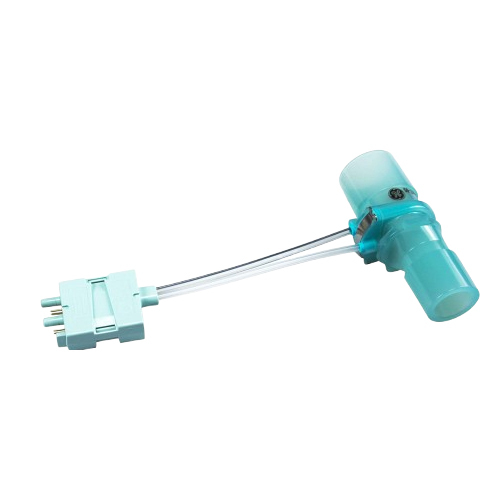
Tell us about your requirement

Price:
Quantity
Select Unit
- 50
- 100
- 200
- 250
- 500
- 1000+
Additional detail
Mobile number
Email

More Products in Oxygen Sensors Category
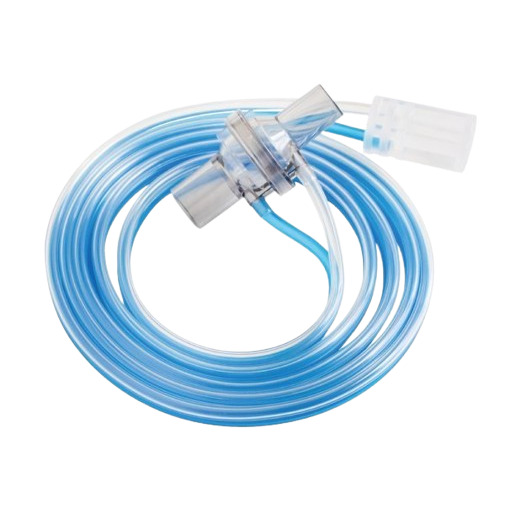
Hamilton Compatible Flow Sensor for SpiroQuant Envitech Ventilator Medical Respiratory Accessory
Price 1850 INR / Piece
Minimum Order Quantity : 5 Pieces
Storage Temperature : 20C to 70C Celsius (oC)
Operating Temperature : 0C to 50C Celsius (oC)
Compensated Temperature : 10C to 40C Celsius (oC)
Output : Other
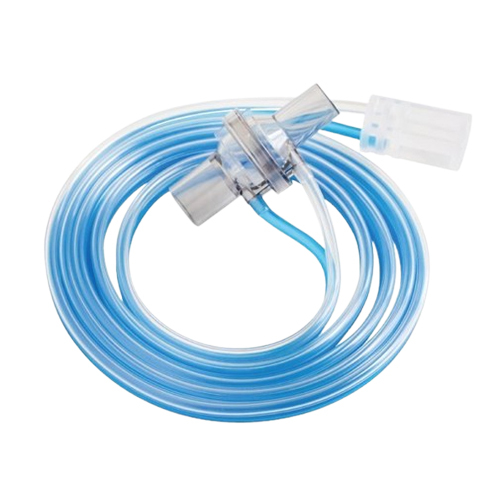
Flow Sensor For Hemiltone
Price 1850 INR / Piece
Minimum Order Quantity : 1 Piece
Storage Temperature : 20C to 60C
Operating Temperature : 0C to 50C
Compensated Temperature : 10C to 40C
Output : Other, Analog Voltage
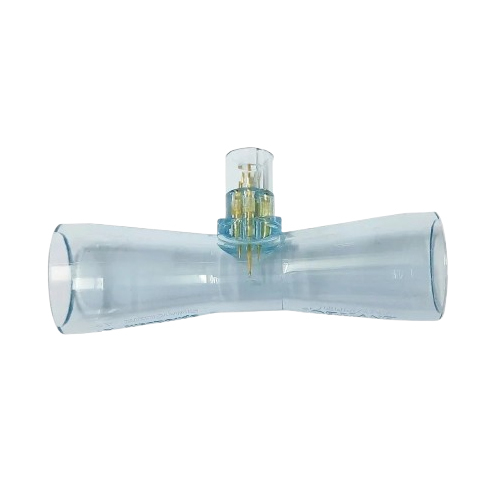
Flow Sensor For Savina
Price 1700 INR / Piece
Minimum Order Quantity : 1 Piece
Storage Temperature : 20C to 70C
Operating Temperature : 0C to 60C
Compensated Temperature : 0C to 50C
Output : Other, Analog Voltage
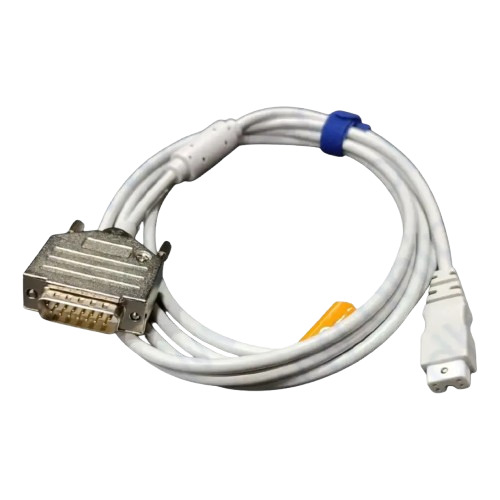
Drager Babylog Flow Sensor
Minimum Order Quantity : 1 Piece
Storage Temperature : 20C to 60C
Operating Temperature : 10C to 40C
Compensated Temperature : 10C to 40C
Output : Other, Analog

DOSANI HEALTHCARE
GST : 24AJMPD0046N1ZA
GST : 24AJMPD0046N1ZA
SIXTH FLOOR, 602, CITY GATE, NR. VISHALA HOTEL, SHAHWADI, NAROL ROAD,Ahmedabad - 380059, Gujarat, India
Phone :07971459640
 Send Inquiry
- Spo2 Probe
- ECG Cable For Multipara Monitor
- ECG Cables For ECG Machine
- ECG Trunk Cable And Lead Wires
- IBP Cables
- NIBP Cuff
- Disposable Spo2 Probe
- Etco2 Accessories
- Spo2 Extension Adaptor Cables
- NIBP Hose Pipes
- Oxygen Sensors
- Flow Sensor Cables
- Surgical Accessories
- Ventilator Humidifier Accessories
- Temperature Probes
- AED Pad
- Medical Battery
- Medical Lamps
- ECG Paper
- Medical Gas Pipeline Accessories
- Respiratory Accessories
- Medical Equipments
- Parts And Accessories
- Tourniquet Cuff
- Holter Cables
 Send Inquiry
DOSANI HEALTHCARE
All Rights Reserved.(Terms of Use)
Developed and Managed by Infocom Network Private Limited.
Developed and Managed by Infocom Network Private Limited.

